 Lexis Nexis
We understand the legal landscape better than anyone else
Research and Guidance
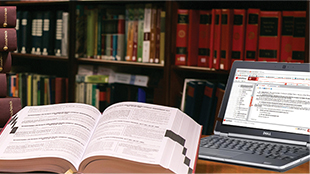
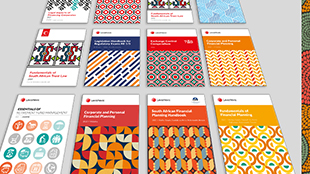
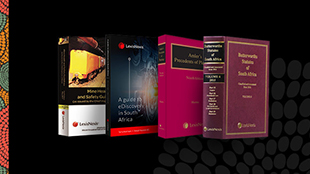
What makes LexisNexis stand out from our competitors is the sheer range and depth of information we manage and deliver. For over 80 years we have been trusted by professionals, corporates and government to provide up-to-date, accurate law, tax and financial services content. Our impressive list includes case law, legislation, commentary, forms and precedents, practical handbooks, and more. Combining innovative global technology with trusted expertise and local knowledge we bring you accurate, authoritative content and practical guidance in a range of formats to suit your needs
Innovative technology, trusted content


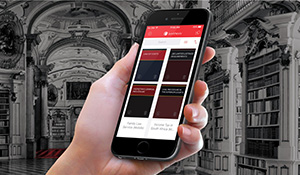
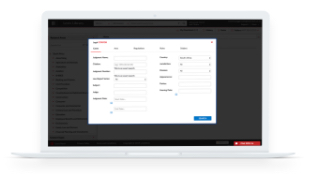
Highly regarded as sources of accurate, current and reliable information
When your reputation stands on the strength of your argument, you need a content provider you can rely on.
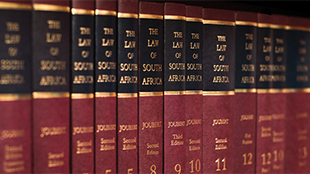
Trusted by professionals for decades, LexisNexis is well-known and respected for our case law, legislation and major reference works.



Media Releases and Articles
Ready to enhance your legal research?